
Choosing the Right Feedstock for an Anaerobic Digestion Plant
- ✓Press mud and cattle dung give the most stable, year-round supply
- ✓Crop residue offers high yield but is seasonal and needs storage
- ✓Municipal organic waste requires more upfront sorting infrastructure
The common feedstock options
- Press mud — sugar mill byproduct, reliable supply near sugar belts
- Cattle dung — consistent year-round, common in dairy-heavy regions
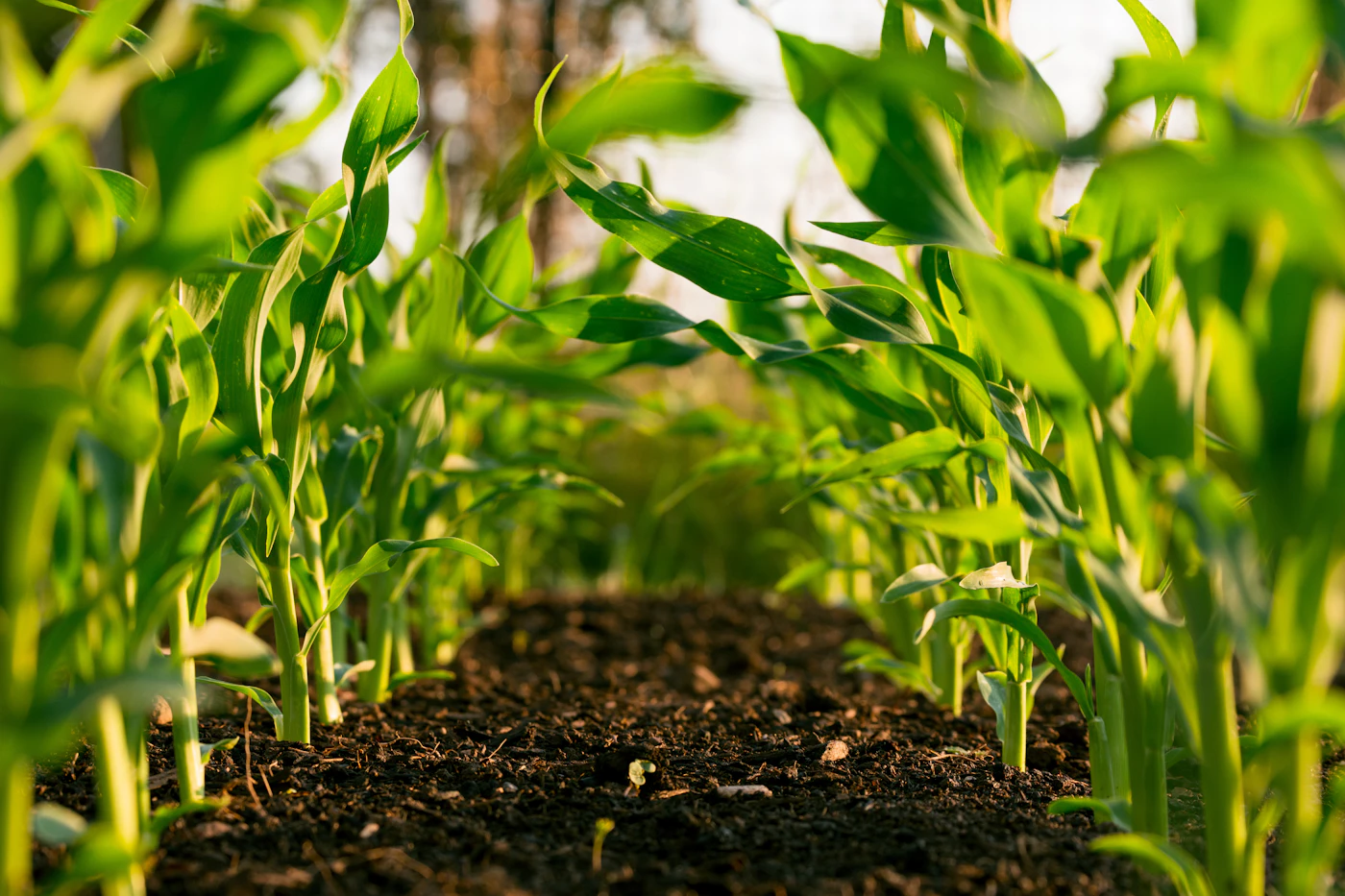
- Crop residue — paddy straw, corn stover — high yield, seasonal
- Municipal solid waste (organic fraction) — large volume, needs sorting
Yield vs. supply stability
Crop residue tends to produce the highest biogas yield per tonne, but arrives in a narrow harvest window — which means either a large storage footprint or a supply contract that bridges the off-season. Press mud and cattle dung yield less per tonne but arrive consistently, which is usually worth more to plant economics than the higher peak yield.
Why blending usually wins
Most well-run plants don't pick one feedstock — they blend two or three to smooth out seasonality while keeping average yield high. A typical mix pairs a stable base load (dung or press mud) with a seasonal high-yield addition (crop residue) during harvest windows.
The right blend is site-specific. It depends on what's actually available within an economical trucking radius — not on which feedstock has the best yield on paper.
Tell us what's available near your site and we'll model the expected gas output before any commitment.
Begin Your Bio CBG
Journey Today
Free consultation. Clear timeline. Transparent pricing.
Our experts respond within 2 hours.
Let’s Discuss Your Next
Bio-CNG Infrastructure Opportunity
Connect with KEC’s engineering and ecosystem team for a strategic discussion on CBG Park development, infrastructure planning, and integrated clean-energy deployment.
Build It Right. Build It With KEC.