
CBG Park | Strategically Planned Bio-CNG Industrial Ecosystems by KEC Agritech
Explore KEC’s strategically planned CBG Parks designed around infrastructure, connectivity, feedstock integration, and long-term clean energy ecosystem development.
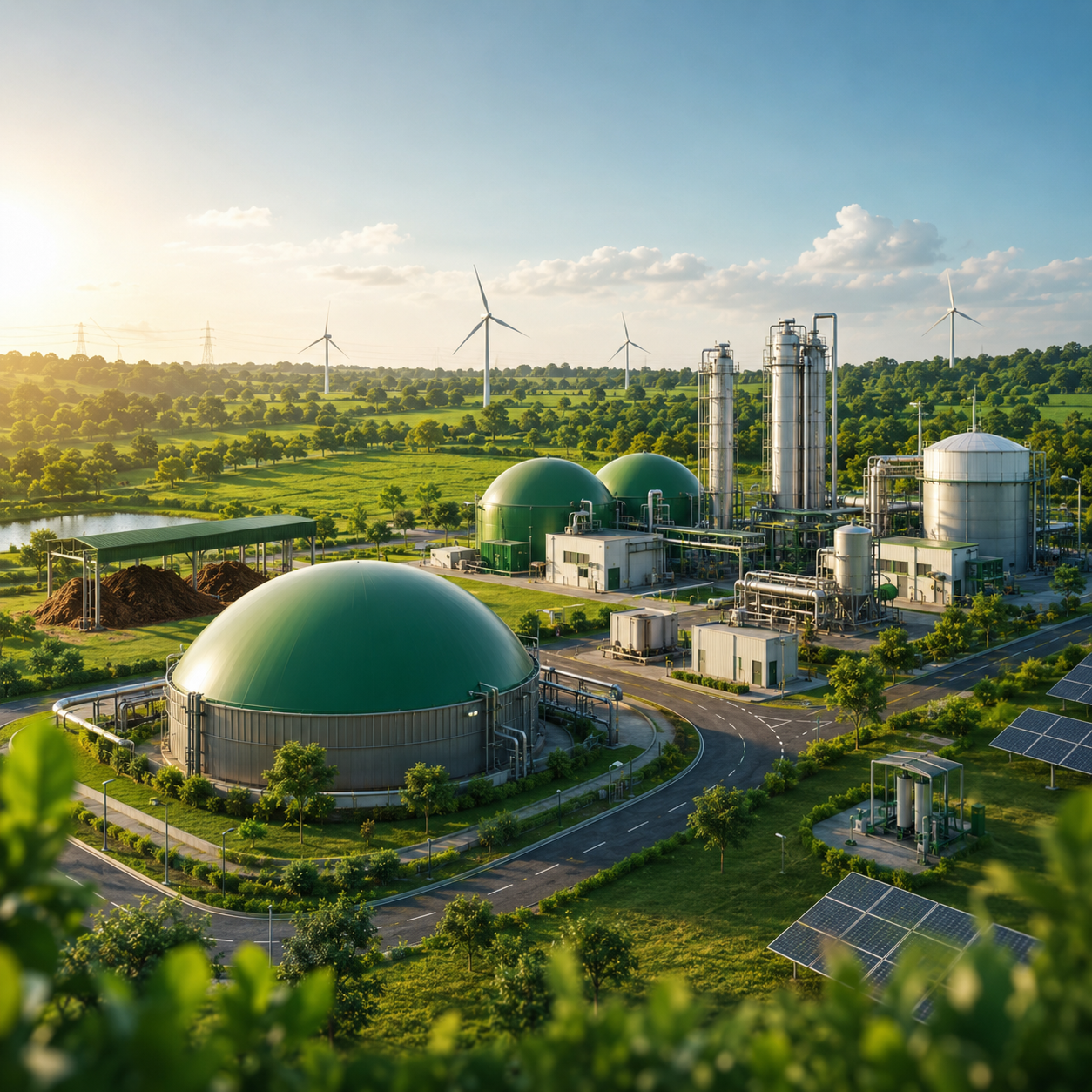
Building India's Next Clean Energy Ecosystem
Strategically planned CBG parks for the future of bio-CNG infrastructure.
18
Plants operated
1.1M t
CO₂e avoided
Sangrur, Punjab
3 Plants
Karnal, Haryana
2 Plants
Meerut, Uttar Pradesh
4 Plants
Indore, Madhya Pradesh
2 Plants
Nagpur, Maharashtra
3 Plants
Hubballi, Karnataka
4 Plants
What makes a KEC
CBG Park different?
Four fundamentals behind every KEC CBG Park — planned as an integrated ecosystem, not a standalone plant.
- 01
Strategic Location
Planned around industrial connectivity and infrastructure access.
- 02
Feedstock Security
Integrated planning for long-term biomass availability.
- 03
Engineering-First Design
Process, utilities, and performance considered from day one.
- 04
Scalable Ecosystem
Designed for expansion, integration, and operational resilience.
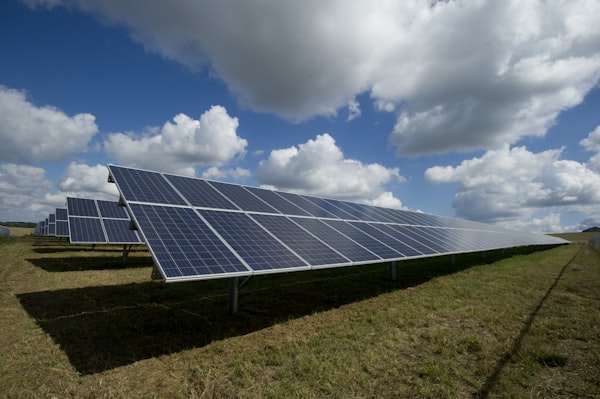
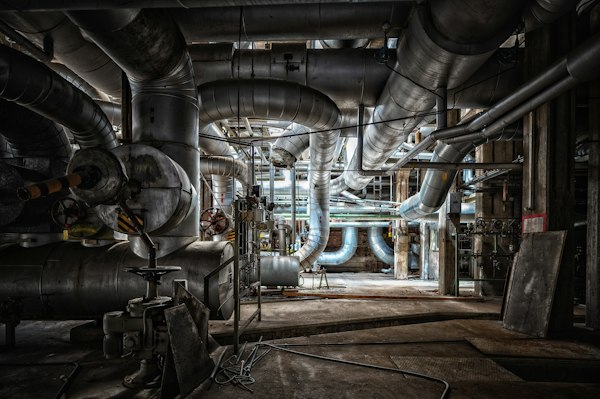
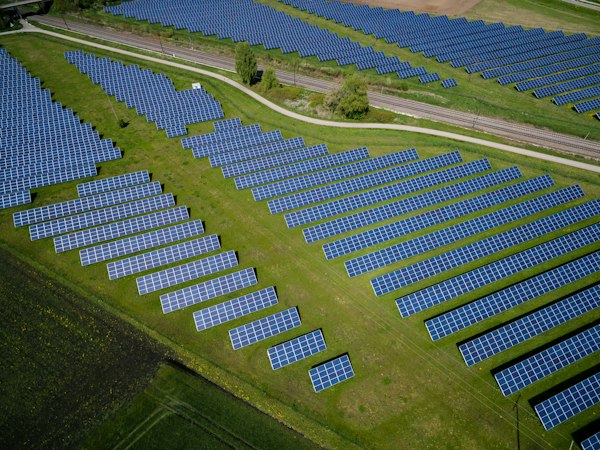
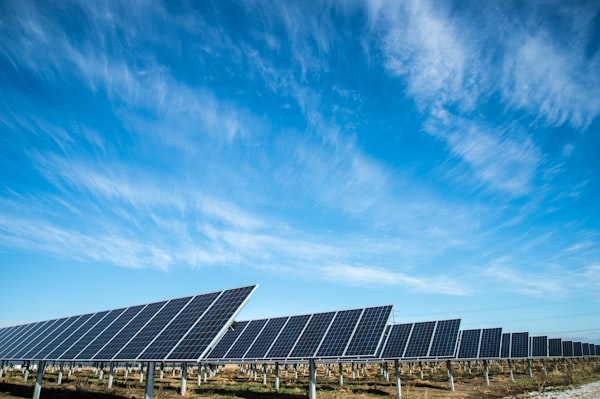
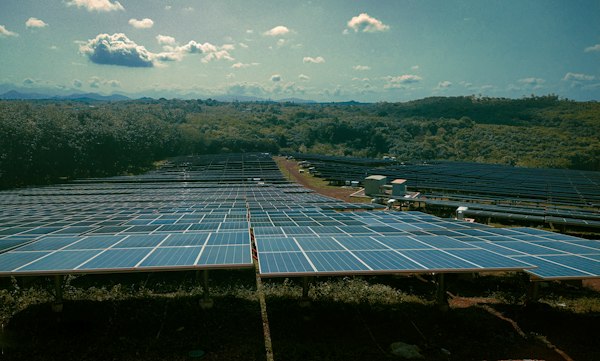
KEC Gallery at a
CBG Glance.


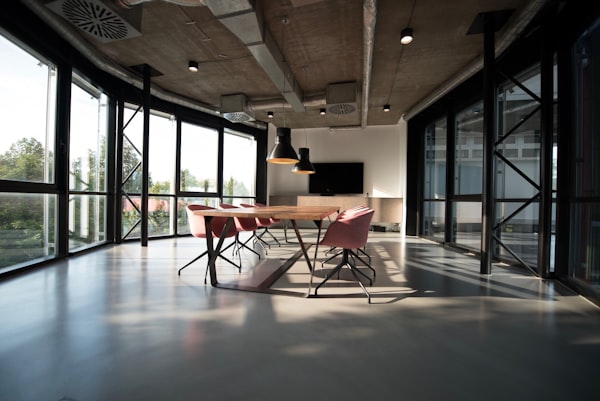
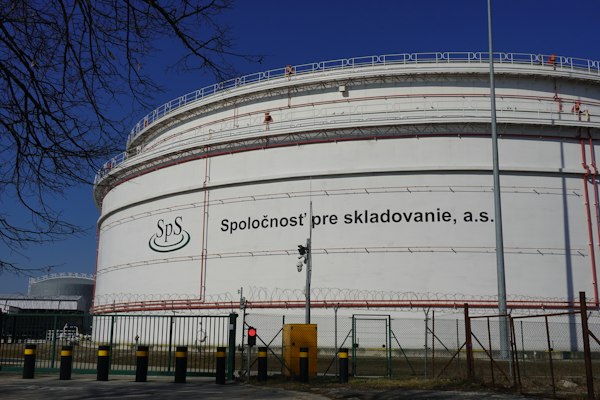

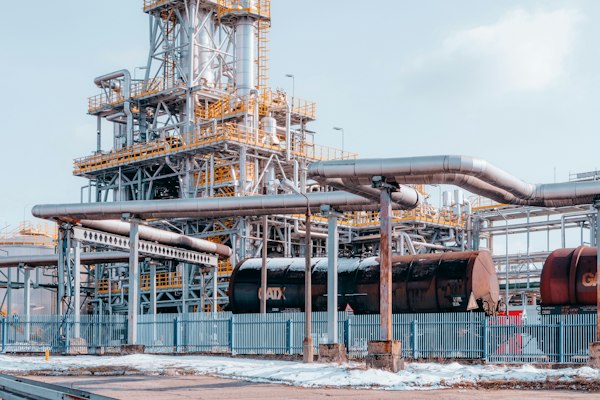
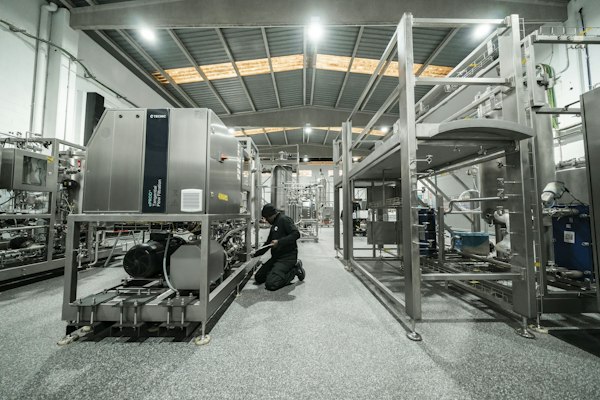
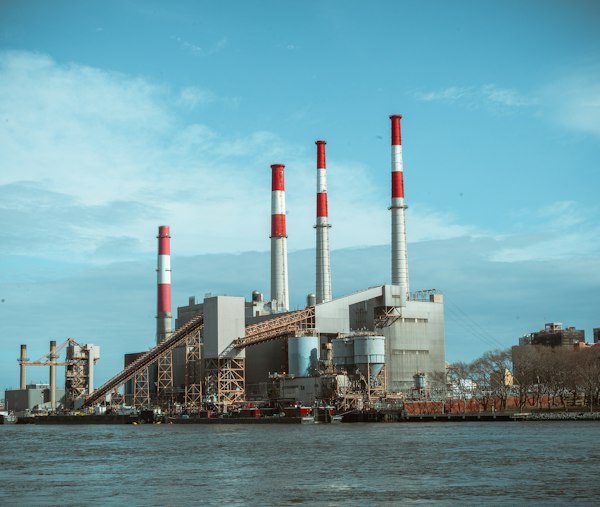

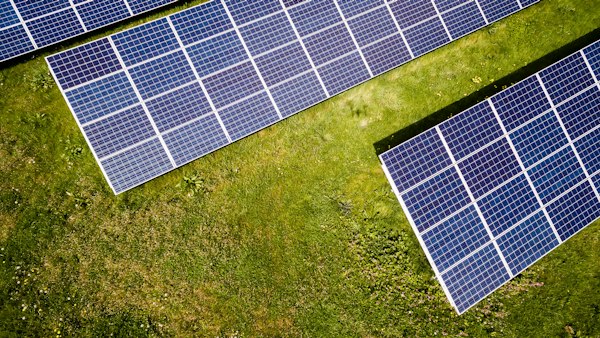
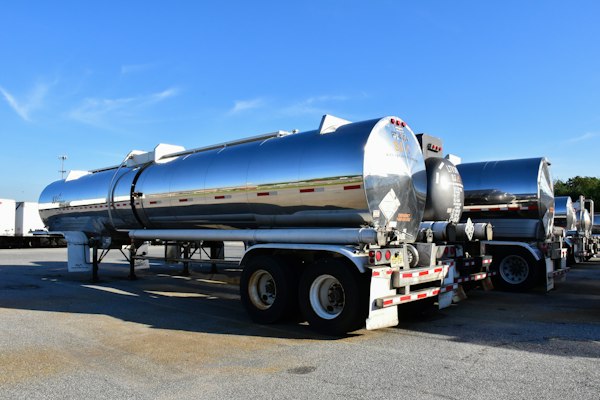


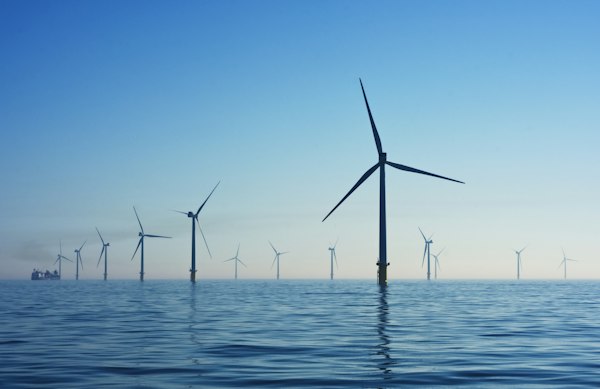


The BioEnergy Brief.
 CBG Basics
What Is Bio-CBG? A Beginner's Guide to Compressed Biogas
Compressed Biogas is quietly becoming India's most practical route to carbon-negative fuel. Here's how a Bio-CBG plant actually turns organic waste into pipeline-grade gas.
 Policy & Incentives
CBG Policy & Incentives in India — What's Actually Changed in 2026
SATAT, the CBG-CGD synchronisation scheme, and state-level subsidies have all moved this year. Here's a practical read of what's live now and what it means for new plants.
 Feedstock
Choosing the Right Feedstock for an Anaerobic Digestion Plant
Gas yield, seasonality, and contract stability all trace back to one decision made before a plant is even designed: what you feed it.
Answers before you ask.
CBG Park™ is an integrated, cluster-based infrastructure model for developing CBG projects. Instead of developing every requirement separately, the park brings together key elements such as project infrastructure, feedstock ecosystem, common utilities, logistics, technology and market linkages within a coordinated development framework.
In simple terms: CBG Park™ is more than a CBG plant, it is the ecosystem around the plant.
A standalone project may require the developer to independently coordinate land, infrastructure, feedstock, technology, project execution, logistics, approvals and market connectivity.
CBG Park™ is designed to bring several of these requirements into a shared and coordinated ecosystem, helping project developers focus on their core CBG business rather than building every supporting infrastructure element from scratch.
The objective is simpler project development through an integrated infrastructure model.
No. CBG Park™ is designed as a cluster of CBG projects supported by common infrastructure and ecosystem services.
This allows individual project units to operate within a larger ecosystem while benefiting from shared facilities and coordinated support.
The original KEC CBG Park model specifically describes clustered CBG units supported by common facilities.
Depending on the specific park and project structure, the ecosystem can include:
- Common utilities and infrastructure
- Feedstock aggregation and handling
- Internal roads and logistics support
- CBG processing/dispatch infrastructure
- Weighing and storage facilities
- Project development support
- Technology support
- EPC & PMC services
- Training and technical support
- Market/offtake linkage support
The exact facilities will vary according to the location, park design and project requirements. KEC's published CBG Park model lists several of these common services.
Feedstock is one of the most important parts of any CBG project, and CBG Park™ is designed to address this requirement as part of the wider ecosystem.
The model can include feedstock aggregation, sourcing and supply-chain support, helping connect CBG projects with suitable biomass and organic-waste sources.
However, feedstock availability remains project- and location-specific and must be assessed during project development.
One of the advantages of a park-based model is that land and common infrastructure can be planned at the park level rather than every developer having to independently create an entire industrial ecosystem.
Depending on the particular CBG Park™, KEC may support land identification/procurement, project planning and common infrastructure development.
The exact land arrangement, lease/ownership structure and infrastructure available will depend on the individual park and project.
CBG Park™ is designed with the downstream side of the value chain in mind and not only production.
The ecosystem can include support for CBG transportation, filling/dispatch infrastructure and market/offtake linkages, including connections with relevant OMC/CGD opportunities where applicable.
However, offtake arrangements are project-specific and should not be treated as an automatic or unconditional guarantee.
India's GOBARdhan framework also recognizes structured plant-to-CGD mapping and offtake mechanisms as part of strengthening the CBG ecosystem.
Let’s Discuss Your Next
Bio-CNG Infrastructure Opportunity
Connect with KEC’s engineering and ecosystem team for a strategic discussion on CBG Park development, infrastructure planning, and integrated clean-energy deployment.
Build It Right. Build It With KEC.